

Machinevertaling: deze Nederlandse tekst is automatisch vertaald uit het oorspronkelijke Engelstalige artikel. Raadpleeg bij onduidelijkheden of verschillen de Engelse brontekst.
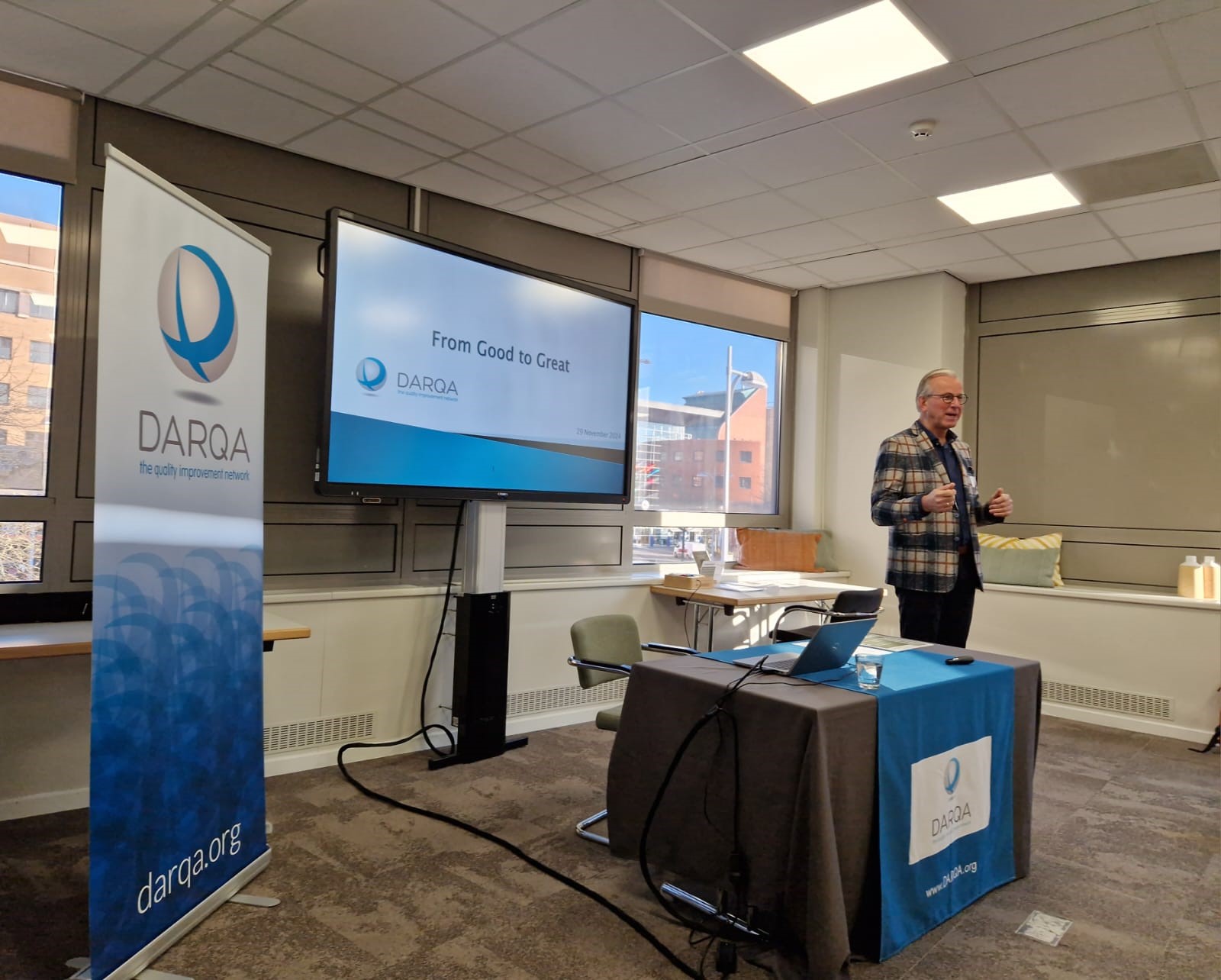
DARQA, de Nederlandse vereniging voor kwaliteitsborging in onderzoek, gebruikte het Voorjaarsevenement 2026 om iets ambitieuzers te proberen dan een gewone themabijeenkomst. In plaats van AI als een beperkt technologisch onderwerp te behandelen, organiseerde DARQA een volledig dagprogramma voor de gezamenlijke GxP-disciplines rond AI in de praktijk: een gemodereerde openingskeynote, een plenaire sessie over de gevolgen voor werk en arbeidsmarkt, parallelle praktijkpresentaties uit de gezondheidszorg en een gezamenlijk workshoptraject voor professionals uit GCP, GLP en GMP. Victor Broers was dagvoorzitter. Hij verbond de sessies met elkaar, modereerde de vragenrondes en fungeerde in de zaal als aanspreekpunt voor de keynote op afstand. Het evenement was nadrukkelijk opgezet als praktisch, toepasbaar en “vrij van hype” en richtte zich zowel op DARQA-leden als op QA-professionals, auditors, specialisten in klinisch onderzoek en kwaliteitsmanagers in bredere zin.
De dag als geheel: van enthousiasme over AI naar beheerste AI
De sterkste rode draad was dat AI niet langer vooral een vraagstuk van technische mogelijkheden is. Gedurende de dag kwamen de sprekers steeds terug op oordeelsvorming, context, de kwaliteit van bewijs en de aansluiting op werkprocessen. Fabrizio Maniglio stelde dat kwaliteitsprofessionals veranderen “van kenniswerker naar wijsheidswerker”: AI kan informatie op grote schaal verwerken, maar mensen blijven verantwoordelijk voor betekenis, ethische afwegingen en toetsbare besluitvorming. Sabrina Genz liet vervolgens zien dat de werkelijke effecten van AI op de arbeidsmarkt niet kunnen worden teruggebracht tot “banen verdwijnen” of “banen blijven bestaan”; het beslissende niveau is de taak, niet de functietitel. In de middag lieten Myrthe Jager en Peter Prinsen zien hoe dat er in de praktijk uitziet: AI krijgt waarde wanneer de toepassing scherp is afgebakend, aan een reële behoefte is getoetst en in een daadwerkelijk proces is ingebed, of het nu gaat om tumorclassificatie tijdens een operatie of om het landelijk structureren van kankerdata.
Het workshoptraject maakte de governancekant van dezelfde boodschap nog scherper. De centrale formulering — “digitale soevereiniteit als continuïteit van GxP-bewijsvoering” — vertaalde een breed beleidsthema naar een concrete QA/QC-vraag: wanneer systemen minder goed functioneren, leveranciers vertraging oplopen, formaten tot leveranciersafhankelijkheid leiden of dossiers ter discussie worden gesteld, kunt u de bewijsketen dan nog steeds terugvinden, begrijpen en verdedigen? De workshop was succesvol omdat AI-gereedheid werd vertaald naar gereedheid van de bewijsvoering. Deelnemers ontdekten herhaaldelijk dat het zwakke punt vaak niet het model is, maar het brondocument, de audit trail, de metadata, de exportmogelijkheid of de terugvalroute. Dat inzicht sloot rechtstreeks aan op de rest van de dag.
Een laatste terugkerend thema was de menselijke kant van verandering. DARQA sloot de dag niet af met nog een technische presentatie, maar met de serious-play-sessie van Nancy Beers. Die maakte in een andere taal een krachtig punt: als organisaties betekenisvol menselijk toezicht willen, moeten zij de menselijke vermogens die ertoe doen behouden en oefenen — communicatie, reflectie, concentratie, experimenteren, samenwerken en de moed om aannames ter discussie te stellen. Daardoor was de afsluiting meer dan vermaak. Zij maakte de redenering van de dag compleet. AI ontwikkelt zich misschien razendsnel, maar de gereguleerde praktijk blijft afhankelijk van mensen die samen op verantwoorde wijze kunnen interpreteren, beslissen, verbinden en handelen.
Openingskeynote – Fabrizio Maniglio: The Wisdom Gap
Fabrizio Maniglio opende het inhoudelijke programma door de onzekerheid in de zaal te erkennen in plaats van die terzijde te schuiven. AI ontwikkelt zich volgens hem sneller dan iedere eerdere technologische golf. Verwarring is daarom begrijpelijk, maar het is niet te laat. Zijn uitgangspunt was dat gereguleerde sectoren nog maar aan het begin staan, mits zij nu beginnen te leren. Vervolgens plaatste hij de buitengewone technische mogelijkheden van vandaag tegenover de werkelijkheid van papierintensieve, verkokerde en bureaucratische processen. Zijn meest memorabele uitdaging was dat veel organisaties AI proberen toe te voegen aan achterhaalde werkprocessen: “sneller papierwerk blijft papierwerk”. In plaats van te vragen hoe bestaande processen kunnen worden versneld, riep hij het publiek op te vragen wat die processen werkelijk proberen te bereiken en of zij vandaag, vanaf nul, nog op dezelfde manier zouden worden ontworpen.
Het kernidee van de keynote was de wisdom gap, de kloof tussen kennis en wijsheid. AI wordt steeds beter in het omzetten van data in informatie en kennis, maar mensen blijven verantwoordelijk voor oordeelsvorming, betekenis en toetsbare besluitvorming. In Maniglio’s formulering ontwikkelen kwaliteitsprofessionals zich “van kenniswerker naar wijsheidswerker”. Hij onderstreepte dit met twee duidelijke waarschuwingen. Ten eerste: Chesterton’s Fence — verwijder een beheersmaatregel niet voordat u begrijpt waarom die bestaat. Ten tweede: verschuil u niet achter symbolische taal over een “human in the loop” als die mens niet over het begrip, de bevoegdheid of de tijd beschikt om werkelijk toezicht uit te oefenen. Tijdens de vragenronde stelde hij dat toezichthouders waarschijnlijk niet op tijd ieder aanvaardbaar gebruik van AI zullen definiëren. De sector moet daarom niet passief blijven wachten, maar zelf onderbouwde en veilige oplossingen ontwikkelen die geschikt zijn voor het beoogde doel. Over taken die mensen redelijkerwijs niet opnieuw kunnen uitvoeren was hij even duidelijk: zekerheid moet dan voortkomen uit het ontwerp van het model, validatie en beheersing van het beoogde gebruik, niet uit de schijn dat een formeel aangewezen beoordelaar achteraf alles betekenisvol kan controleren.
Plenaire sessie – Sabrina Genz: AI, werk en de veranderende werkplek
Sabrina Genz bracht de zaal van strategische reflectie naar arbeidseconomie en deed dat interactief. Via live peilingen vroeg zij de deelnemers eerst welke kansen AI biedt en vervolgens welke uitdagingen het meebrengt. De antwoorden waren veelzeggend: kansen draaiden vooral om efficiëntie, snelheid, focus en kwaliteit, terwijl zorgen vooral betrekking hadden op validatie, juistheid, vertrouwen, veiligheid, ethiek, gegevensbeveiliging en acceptatie. Zij gebruikte die antwoorden als brug naar haar hoofdthema: het werkelijke effect van AI op werk is ingewikkelder dan het publieke verhaal over vervanging doet vermoeden. Haar kernboodschap was dat we moeten denken in taken en niet in volledige banen. Sommige taken worden geautomatiseerd, andere worden door AI ondersteund, en het praktische resultaat hangt sterk af van welke taken verschuiven en in welke context.
Genz liet zien dat nieuwe technologie zowel werk kan laten verdwijnen als nieuw werk kan scheppen. Aan de hand van onderzoek naar beroepen merkte zij op dat slechts ongeveer 40% van de huidige beroepen in de Verenigde Staten in 1940 al bestond. Veel banen van vandaag zijn historisch gezien dus nieuw. Daarna legde zij uit hoe AI de instapdrempel voor sommige beroepen kan verlagen, zoals in haar voorbeeld van taxichauffeurs, terwijl andere beroepen juist kennisintensiever worden, zoals in haar voorbeeld van tekstcorrectoren: spellingcontrole als taak verdwijnt, terwijl inhoudelijke beoordeling overblijft. Ook presenteerde zij aanwijzingen dat AI in specifieke omgevingen de productiviteit aanzienlijk kan verhogen: ongeveer 40% sneller bij schrijftaken en circa 15% sneller in klantenservice, met bijzonder grote winst voor minder ervaren medewerkers. Dat bracht de zaal echter bij een van de scherpste open vragen van de dag: als AI op korte termijn een deel van het leerproces van junior medewerkers kan vervangen, hoe ontwikkelen organisaties dan op lange termijn nog toekomstige experts? Genz overdreef het bewijs niet. Haar krachtigste conclusie was dat AI niet standaard overal moet worden ingevoerd. Productiviteitswinst ontstaat wanneer het hulpmiddel past bij de taak, de omgeving en de gebruiker — en dat blijft een keuze op het gebied van ontwerp, governance en samenleving, niet alleen een technische keuze.
Track A – Myrthe Jager: From Molecules to Minutes
De sessie van Myrthe Jager liet AI op twee zeer verschillende punten in de oncologische keten zien, en juist daardoor was de sessie zo doeltreffend. Haar titel, “From Molecules to Minutes”, vatte het verloop samen: van vroege, data-intensieve moleculaire ontdekking tot bijna realtime ondersteuning van klinische beslissingen. In het eerste deel besprak zij het MIRSA-project over resistentie van melanoom tegen remming van immuuncheckpoints. De biologische belofte is groot, maar de gegevens zijn schaars, kostbaar en moeilijk te verwerken. Met ruimtelijke transcriptomica kan de weefselcontext behouden blijven en kan zichtbaar worden waar cellen zich bevinden en hoe zij met elkaar interageren. De methode kost echter ongeveer € 15.000 per objectglaasje, neemt veel tijd in beslag en legt slechts een klein deel van het onderliggende transcriptomische signaal vast. Daar wordt AI noodzakelijk: voor het segmenteren van cellen, het verbeteren van de signaalkwaliteit en uiteindelijk het herkennen van patronen en biomarkers in gegevens die te onvolledig zijn voor een rechtstreekse menselijke interpretatie.
Het tweede deel van haar sessie ging over Sturgeon, een veel verder ontwikkelde en direct tastbare toepassing: ultrasnelle classificatie van hersentumoren tijdens een operatie. Het klinische probleem is hier duidelijk. Een moleculaire diagnose duurt normaal ongeveer een week, terwijl chirurgische beslissingen onmiddellijk moeten worden genomen. De Sturgeon-workflow combineert nanopore sequencing met machinaal leren, getraind op gesimuleerde sequencingruns met beperkte diepte. Daardoor kan uit uiterst schaarse gegevens toch een betekenisvolle classificatie worden afgeleid. Jager liet zien hoe praktisch dit inmiddels is geworden: een compacte opstelling met een MinION-sequencer, pipetten, verwarmingsblokken en zelfs een gaminglaptop kan binnen ongeveer 80 minuten een diagnostisch resultaat opleveren, terwijl het classificatiesignaal tijdens de sequencingrun al eerder zichtbaar wordt. Het meest opvallend was haar mededeling dat de methode al routinematig wordt gebruikt in het Prinses Máxima Centrum: in meer dan 100 casussen, met in 85% van de gevallen tijdig een duidelijke diagnose en in 14% een aangepaste operatiestrategie. Haar bredere les was belangrijk voor DARQA: bruikbare medische AI is geen generieke AI, maar zorgvuldig afgebakend, gevalideerd en translationeel werk dat is gebouwd op complexe data en echte discipline in het werkproces.
Track A – Peter Prinsen: AI bij IKNL en de Nederlandse Kankerregistratie
Peter Prinsen verlegde de aandacht van moleculaire geneeskunde naar landelijke data-infrastructuur. Als hoofd van Clinical Data Science bij IKNL liet hij zien dat enkele van de belangrijkste AI-vraagstukken in de kankerzorg helemaal niet over opvallende modellen gaan, maar over de houdbaarheid van gegevensverzameling en -structurering op grote schaal. Hij presenteerde de Nederlandse Kankerregistratie als een landelijk instrument met een dekking van meer dan 95%, gegevens die teruggaan tot 1989, ongeveer 2,5 miljoen patiënten en 2,9 miljoen tumoren, en een omvangrijke handmatige registratie-inspanning van circa 125 fte. Veel relevante ziekenhuisinformatie wordt nog steeds als ongestructureerde tekst aangeleverd en maanden na de diagnose handmatig ontsloten. Tegen de achtergrond van vergrijzing, een toenemende kankerincidentie, een grotere vraag naar gegevens en druk om informatie sneller beschikbaar te maken, was zijn boodschap duidelijk: deze werkwijze wordt onhoudbaar.
Prinsens antwoord was praktisch en niet utopisch. Hij schetste drie globale routes om met AI oncologische gegevens te structureren: ziekenhuizen structureren hun eigen gegevens; IKNL ontvangt ongestructureerde gegevens en structureert die lokaal; of IKNL brengt het model naar het ziekenhuis en structureert de gegevens daar op een federatieve manier. Voor DARQA was vooral zijn nadruk op lokale zeggenschap, privacy en digitale soevereiniteit relevant. Voor gevoelige patiëntgegevens zijn volgens hem lokale modellen essentieel: on-premises, of ten minste op infrastructuur die niet door Amerikaanse cloudproviders wordt beheerd. Ook beschreef hij rekenkracht als een daadwerkelijk knelpunt: IKNL rondde pas op dat moment de inrichting van een werkstation met twee GPU’s af om serieus te kunnen experimenteren. Zijn conclusie was nuchter: AI zal datamanagers waarschijnlijk niet vervangen, maar hun werk wel veranderen. Machines kunnen de eenvoudigere gegevens verzamelen; menselijke experts richten zich vervolgens op het controleren, oplossen en interpreteren van de moeilijkere gevallen. Met andere woorden: AI is hier geen vervangingsfantasie, maar een operationele noodzaak die nog steeds afhankelijk is van validatie, veilige implementatie en goed databeheer.
Track B – Workshop: digitale soevereiniteit als continuïteit van GxP-bewijsvoering
Het workshoptraject was het meest uitgesproken gezamenlijke onderdeel van de dag en tevens de meest kenmerkende bijdrage vanuit DARQA. In plaats van deelnemers te vragen of zij de voorkeur gaven aan cloud- of on-premises-systemen, werd digitale soevereiniteit vertaald naar één operationele vraag: kan uw organisatie onder druk nog steeds snel volledige en verdedigbare bewijsvoering leveren? De workshop was opgebouwd rond drie casussen — één voor GCP, één voor GLP en één voor GMP — en vroeg gemengde groepen om “datarecherche” te doen: de bewijsroute in kaart brengen, vaststellen waar de keten breekt, de Mean Time To Evidence (MTTE) inschatten, een terugvalroute definiëren en afsluiten met één scherpe vraag aan de leverancier of IT-afdeling en één actie voor de komende dertig dagen.
Wat er daadwerkelijk in de zaal gebeurde, was nog interessanter. De opening werd meer een dialoog dan gepland, omdat deelnemers het onderwerp onmiddellijk verbonden met AI, datakwaliteit, herleidbaarheid, dubbele documenten en de zwakte van statische exports. Dat bleek productief. De centrale les van de workshop werd juist duidelijker doordat de zaal bleef aandringen op de koppeling met AI: voordat betrouwbare automatisering mogelijk is, moet de onderliggende bewijsroute zichtbaar en verdedigbaar zijn. De drie domeingroepen brachten vervolgens verschillende vormen van hetzelfde probleem aan het licht. Bij GCP ging het om de volledigheid van bewijs in meerdere SaaS-systemen en de vraag of één proefpersonendossier tijdig kan worden gereconstrueerd. Bij GLP ging het erom of gearchiveerde pdf-bestanden volstaan wanneer de werkelijke uitdaging nog steeds bestaat uit de oorspronkelijke elektronische ruwe gegevens, verwerkingsparameters en leesbaarheid van oudere systemen. Bij GMP draaide het om de vraag of QA nog een verdedigbaar besluit tot vrijgave of blokkering kan nemen wanneer systemen minder goed functioneren en de ruwe audit trails onvolledig zijn. De sterkste uitspraak uit de workshop was ook de eenvoudigste: AI-gereedheid begint met gereedheid van de bewijsvoering.
Toekomst van DARQA
Vlak voor de afsluitende sessie richtte DARQA de blik kort op zichzelf. Op basis van een ledenenquête met 73 reacties — ongeveer 26% van het ledenbestand — liet de vereniging zien dat zij een sterke, ervaren achterban heeft, maar ook voor een duidelijke vernieuwingsopgave staat: 92% van de respondenten werkte al meer dan vijftien jaar in de sector. Het bestuur presenteerde vier prioriteiten: nauwere samenwerking met andere verenigingen, vernieuwing van activiteiten, actievere betrokkenheid van leden en betere communicatie. Ter ondersteuning van dat laatste kondigde DARQA een nieuwe commissie aan, Connect and Grow, en deed zij een open oproep aan leden om bij te dragen aan meer zichtbaarheid, betere communicatie en sterkere verbinding tussen de leden.
Afsluitende sessie – Nancy Beers: Play to the Finish
Nancy Beers sloot de dag af door van werkvorm te veranderen zonder aan ernst in te boeten. Haar openingszin was speels — zij noemde zichzelf het “infotainment”-onderdeel van het programma — maar haar betoog was praktisch: spelen in organisaties is geen luxe en niet “alleen maar leuk”. Het is een methode voor leren, reflectie, innovatie, samenwerking en inzicht in gedrag. Vanuit haar achtergrond in spelend leren, IT en begeleiding stelde zij dat innovatieve mensen meestal speelse mensen zijn: astronauten, hackers en bouwers experimenteren allemaal, zoeken grenzen op en vragen wat een systeem nog meer kan. Ook maakte zij duidelijk dat spelen niet waardevol is omdat het gemakkelijk is. Een van haar scherpste uitspraken was dat spelen vaak “niet om plezier gaat… maar om frustratie”, omdat frustratie gewoonten, drukpunten en teamdynamiek zichtbaar maakt.
Haar spellen waren zorgvuldig gekozen. De oefening Start/Stop gaf de zaal na een lange dag zowel lichamelijk als cognitief een nieuwe start. Het spel Living Organization maakte groei van organisaties, hiërarchie en communicatieverlies zichtbaar: deelnemers ontdekten hoe snel richting door verschillende lagen wordt vervormd en hoe zelden mensen eraan denken expliciet te communiceren. De puzzel Black Stories legde vooringenomenheid en aannames bloot in een vorm die sterk deed denken aan onderzoekslogica. Tot slot bracht Brainshock multitasken en overbelasting in beeld doordat deelnemers tegelijkertijd beweging, rekenwerk en persoonlijke vragen moesten combineren. De reactie van de groep was gedurende de hele sessie sterk: gelach, herkenning, nuttig ongemak en doordachte nabesprekingen. Vooral dat laatste was van belang, want Beers’ belangrijkste slotzin luidde dat “een serious game pas een serious game is als je een goede nabespreking houdt. Anders was het alleen maar leuk.” Binnen een GxP-dag over AI vormde haar sessie een passend slotpunt: als organisaties betere oordeelsvorming en samenwerking willen, moeten zij bewust de menselijke vermogens ontwikkelen die machines niet automatisch versterken.
Alles bij elkaar bood het DARQA Voorjaarsevenement 2026 precies wat het beoogde: een praktische, GxP-brede verkenning van AI die zowel hype als simplistische afwijzing vermeed. Voor de aanwezigen bood de dag bevestiging, uitdaging en bruikbare taal. Voor wie er niet bij was, is de belangrijkste boodschap duidelijk genoeg om mee te nemen: in gereguleerde omgevingen is de werkelijke vraag niet langer óf AI bestaat, maar hoe het gebruik ervan begrijpelijk, verdedigbaar en daadwerkelijk bruikbaar kan worden gemaakt.